- 1 month ago
- Agriculture
- Description
- FAQ
- Updates
- Comments
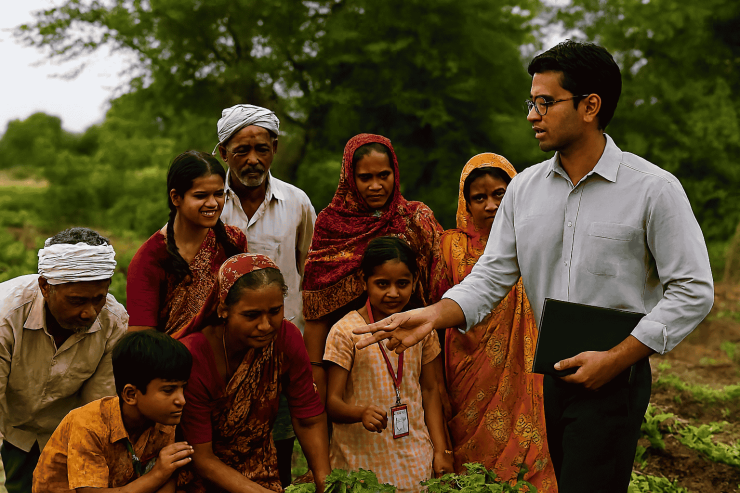
The Agriculture Development Programme is designed to empower farmers, landless laborers, and rural communities through sustainable agricultural practices, improved livelihoods, and enhanced productivity. Recognizing that agriculture is the backbone of rural economies, this initiative supports farmers with training, resources, and technology to improve soil health, crop yield, and market access. The programme emphasizes climate-resilient farming, water management, organic cultivation, and agri-based entrepreneurship. By combining traditional knowledge with modern techniques, it seeks to build self-reliant and prosperous rural communities.
Objectives of the Programme
-
Improve Agricultural Productivity
To enhance crop yield and soil fertility through sustainable and scientific methods. -
Promote Sustainable Farming Practices
To encourage organic farming, crop rotation, integrated pest management, and water conservation. -
Strengthen Farmer Livelihoods
To reduce poverty by supporting income generation through crop diversification, livestock, and agri-enterprises. -
Increase Access to Resources and Technology
To provide training, irrigation solutions, improved seeds, and digital tools to farmers. -
Empower Small and Marginal Farmers
To support women farmers, tenant farmers, and landless laborers with capacity-building and collective initiatives.
Key Components of the Programme
-
Training and Capacity Building
Workshops on organic farming, smart irrigation, mixed cropping, composting, and post-harvest techniques. -
Water Resource Management
Promotion of rainwater harvesting, drip irrigation, farm ponds, and watershed development. -
Seed and Input Support
Distribution of quality seeds, bio-fertilizers, vermicompost units, and eco-friendly pest control inputs. -
Crop Diversification
Encouraging farmers to shift from mono-cropping to mixed and high-value crops like pulses, vegetables, millets, and fruits. -
Organic Farming and Soil Health
Soil testing, compost pits, and elimination of harmful chemical fertilizers to restore long-term soil fertility. -
Farmer Producer Groups (FPGs) & Cooperatives
Formation of self-help groups, farmer clubs, and cooperatives for collective bargaining and input procurement. -
Market Linkages and Value Addition
Helping farmers connect directly with markets, food processors, and buyers to secure better pricing. -
Agri-Entrepreneurship and Allied Activities
Promotion of dairy, poultry, fisheries, beekeeping, mushroom cultivation, and floriculture.
Programme Impact
-
Enhanced Crop Yield and Soil Quality
Farmers report improved productivity due to better seeds, nutrient management, and organic inputs. -
Increased Income and Reduced Poverty
Diversified crops, allied activities, and market access result in higher earnings for rural households. -
Water Conservation and Climate Resilience
Sustainable irrigation and watershed initiatives make farming more resilient to droughts and climate change. -
Women and Youth Participation
Women and young farmers are increasingly empowered through training and agri-based entrepreneurship. -
Reduced Dependency on Chemicals
Adoption of organic and eco-friendly practices has reduced input costs and improved crop health. -
Community Collaboration
Groups and cooperatives encourage collective decision-making and resource sharing.
General Question
No Update Found
Login To Leave a Comment


Comments (0)