- 1 month ago
- Poverty Alleviation Programmes
- Description
- FAQ
- Updates
- Comments
Poverty Alleviation Programmes
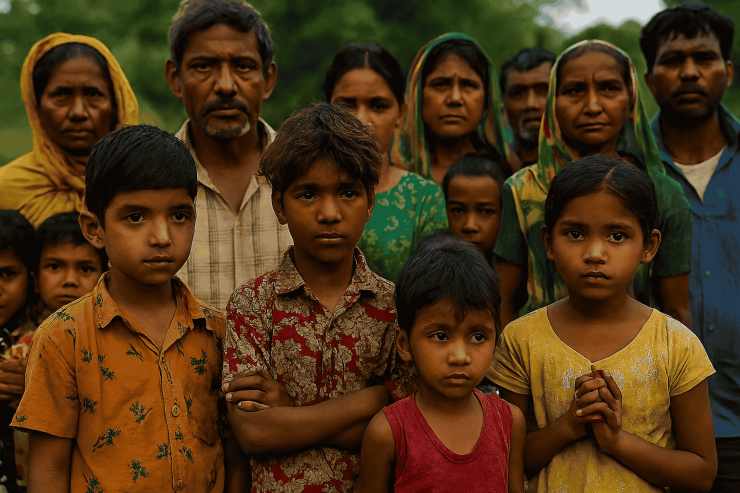
Poverty is one of the most pressing challenges faced by marginalized and disadvantaged communities. The Poverty Alleviation Programmes by Sukridhi Foundation aim to address the root causes of poverty by providing education, livelihood opportunities, healthcare access, and social support to vulnerable populations. Through sustainable, rights-based approaches, these initiatives empower individuals and families to achieve financial independence, improve living standards, and break the cycle of poverty.
Objectives of the Programme
-
Eradicate Extreme Poverty:
Provide essential support to families living below the poverty line, ensuring access to food, shelter, healthcare, and basic education. -
Enhance Livelihood Opportunities:
Equip individuals with vocational skills, entrepreneurship training, and financial literacy to generate sustainable income and improve economic stability. -
Promote Education and Skill Development:
Focus on children and youth to reduce intergenerational poverty by ensuring access to quality education and skill-building opportunities. -
Empower Women and Vulnerable Groups:
Recognize the role of women and marginalized groups in community development by providing targeted programs to enhance their income, confidence, and social participation. -
Improve Community Wellbeing:
Address health, sanitation, nutrition, and social awareness to ensure holistic development and reduce the vulnerabilities associated with poverty.
Key Components of the Programme
-
Livelihood and Vocational Training:
Provide hands-on skill development in areas such as tailoring, handicrafts, small-scale agriculture, food processing, and digital literacy. The training is combined with business guidance, market linkage support, and mentorship to enable sustainable income generation. -
Microfinance and Financial Inclusion:
Offer access to small loans, savings schemes, and financial literacy programs to help families manage resources, invest in businesses, and plan for the future. -
Educational Support:
Scholarships, after-school programs, and learning materials are provided for children and youth from impoverished families, helping to reduce school dropouts and increase employability. -
Health and Nutrition Initiatives:
Organize medical camps, nutrition counseling, hygiene workshops, and awareness drives to improve health outcomes and reduce poverty-related vulnerabilities. -
Community Engagement and Awareness:
Conduct community workshops to educate individuals about government schemes, rights, and social entitlements, ensuring they can access available resources and advocate for themselves. -
Women and Youth Empowerment:
Provide special programs targeting women and youth, equipping them with skills, leadership abilities, and confidence to become independent, productive members of their communities.
Programme Impact
-
Economic Upliftment:
Participants gain skills and financial knowledge that allow them to secure jobs, start small businesses, or engage in income-generating activities, leading to sustainable livelihoods. -
Improved Education Outcomes:
Children and youth from impoverished families are able to continue their education, reducing dropout rates and improving long-term employment prospects. -
Enhanced Health and Wellbeing:
Access to preventive care, health camps, and nutrition support improves the physical and mental wellbeing of community members. -
Empowered Communities:
Women and marginalized groups gain confidence and leadership skills, enabling them to actively participate in community decision-making and social development. -
Reduction in Poverty Cycle:
By integrating education, health, skill development, and financial inclusion, the programme fosters self-reliance and reduces intergenerational poverty.
General Question
No Update Found
Login To Leave a Comment


Comments (0)